All Blog Posts

Hold the Line: Screening 534 Robocalls in 16 Seconds With an AI That Can't Talk Back
A scam gate for my phone, built on Jev, an AI that answers questions with probabilities instead of text, and on the bank message that showed why one confident number isn't enough.
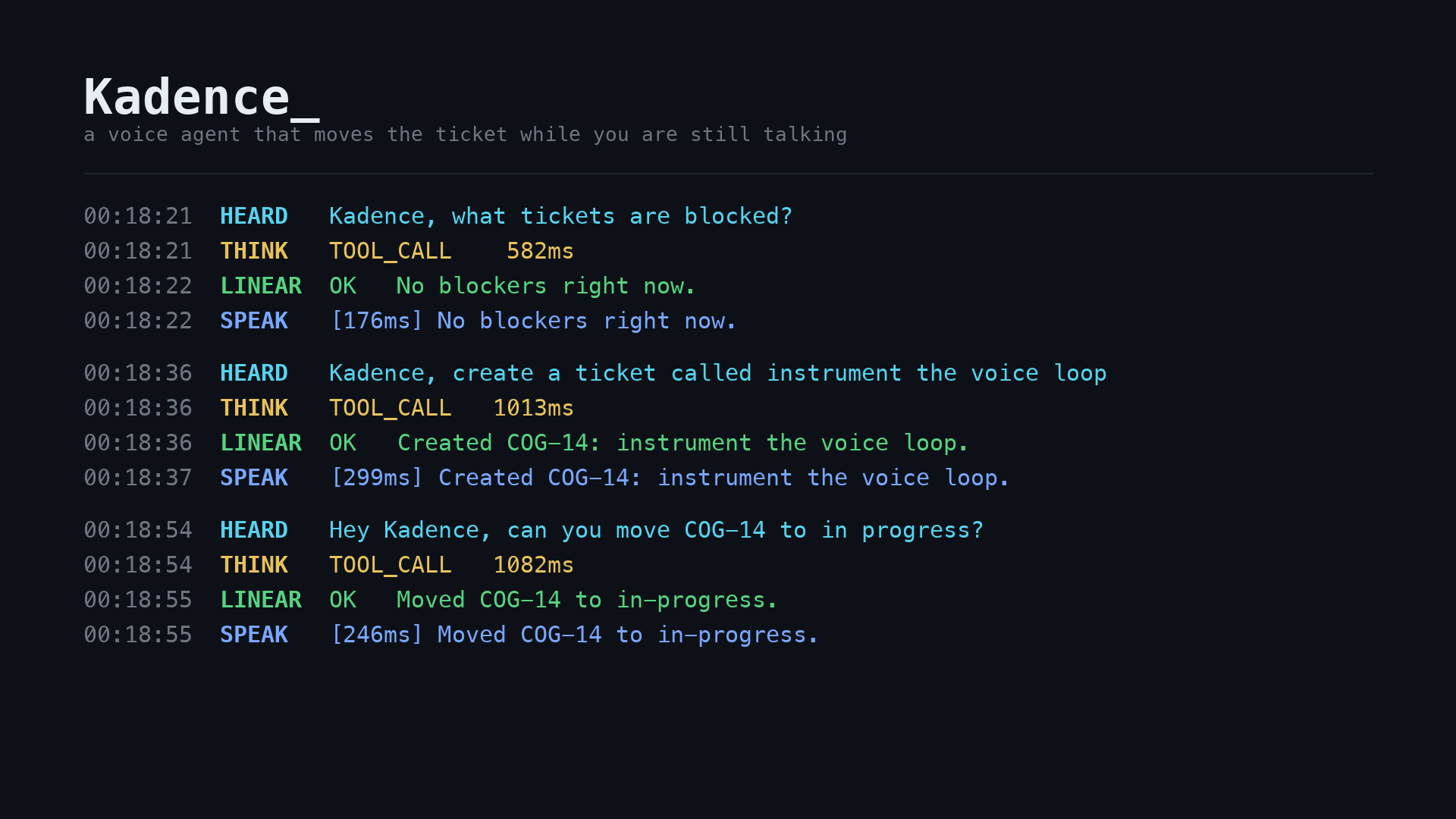
Say It, Don't Type It: Kadence, a Voice-Only TPM for Linear
Building a self-hosted, sub-two-second voice agent for Linear — Whisper, Qwen 2.5 and Kokoro on one GPU, with constrained decoding that makes a hallucinated action structurally impossible. What worked, what broke in real meetings, and why I stopped.
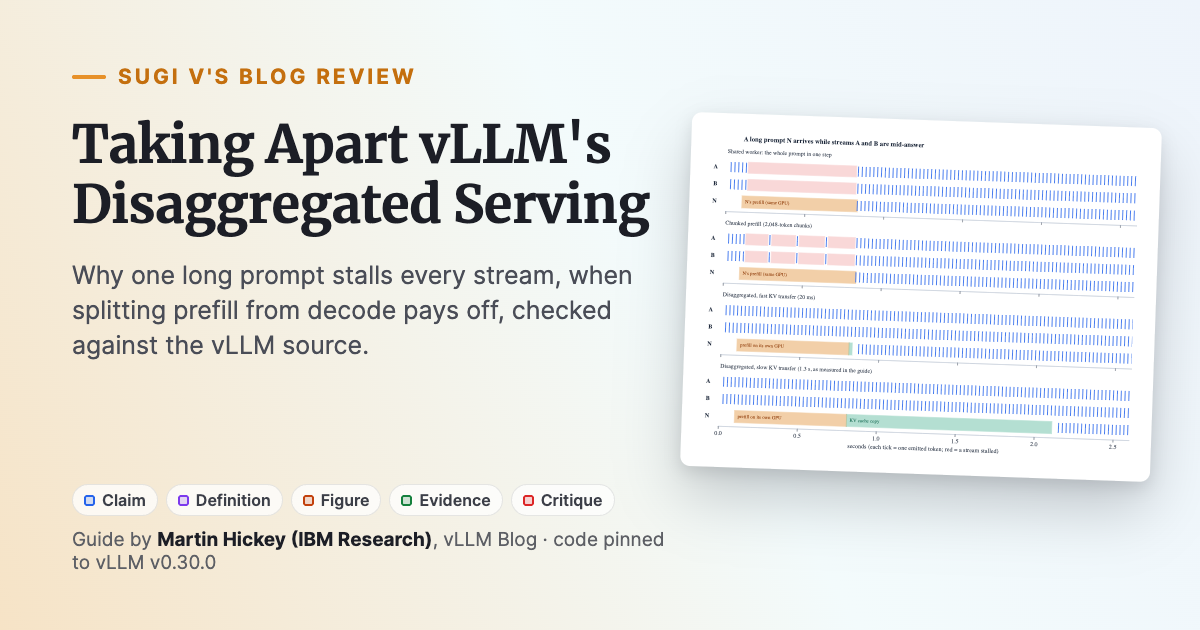
Prefill, Decode, and the Quiet Third Job: Reviewing vLLM's Guide to Disaggregated Serving
Why long prompts make every stream stutter, when splitting prefill from decode pays off, and why tokenization belongs off the GPU, with a first-principles simulator that reproduces the guide's benchmark.
Tiny CLM: Teaching a 1.7B Model to Manage Its Own Memory for $5
Context Language Models says a model can learn to edit its own memory, and that a compute-cost reward teaches it to edit cheaply. I tested both on a 1.7B model, one GPU and $4.65. The first claim held. The second taught me something the paper didn't.
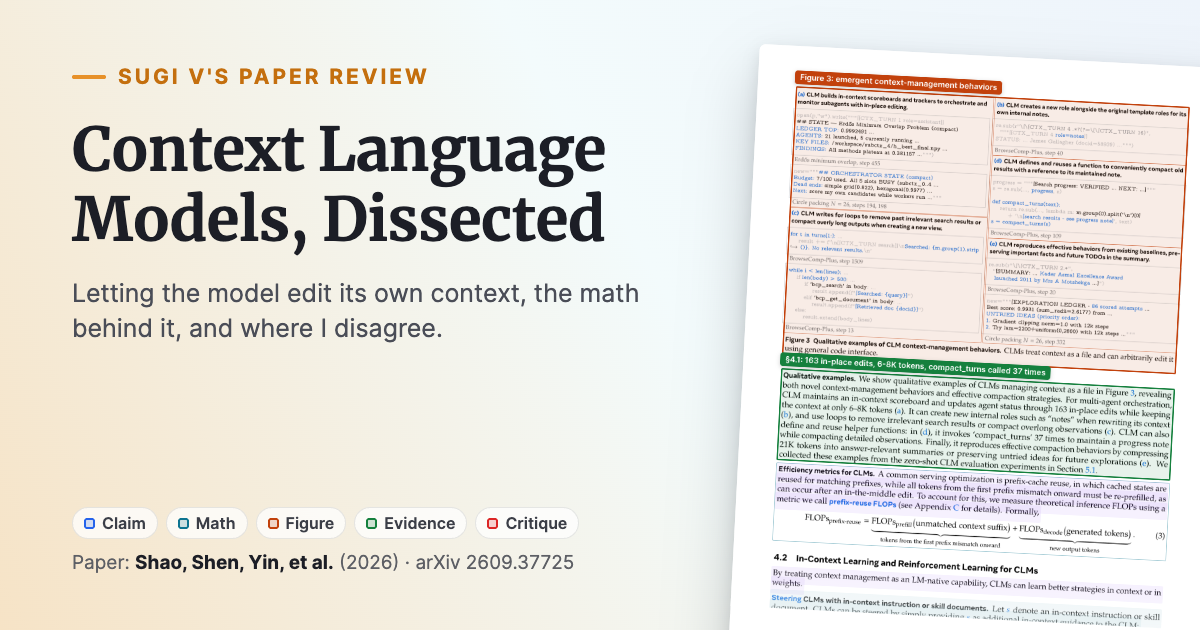
Context Language Models, Dissected: Letting the Model Edit Its Own Context, the Math Behind It, and Where I Disagree
A section-by-section review of Context Language Models (Shao et al., 2026): the formalism, prefix-reuse FLOPs, stepwise GRPO with a success-gated efficiency advantage, and Suffix Cache Reuse, with refreshers along the way.
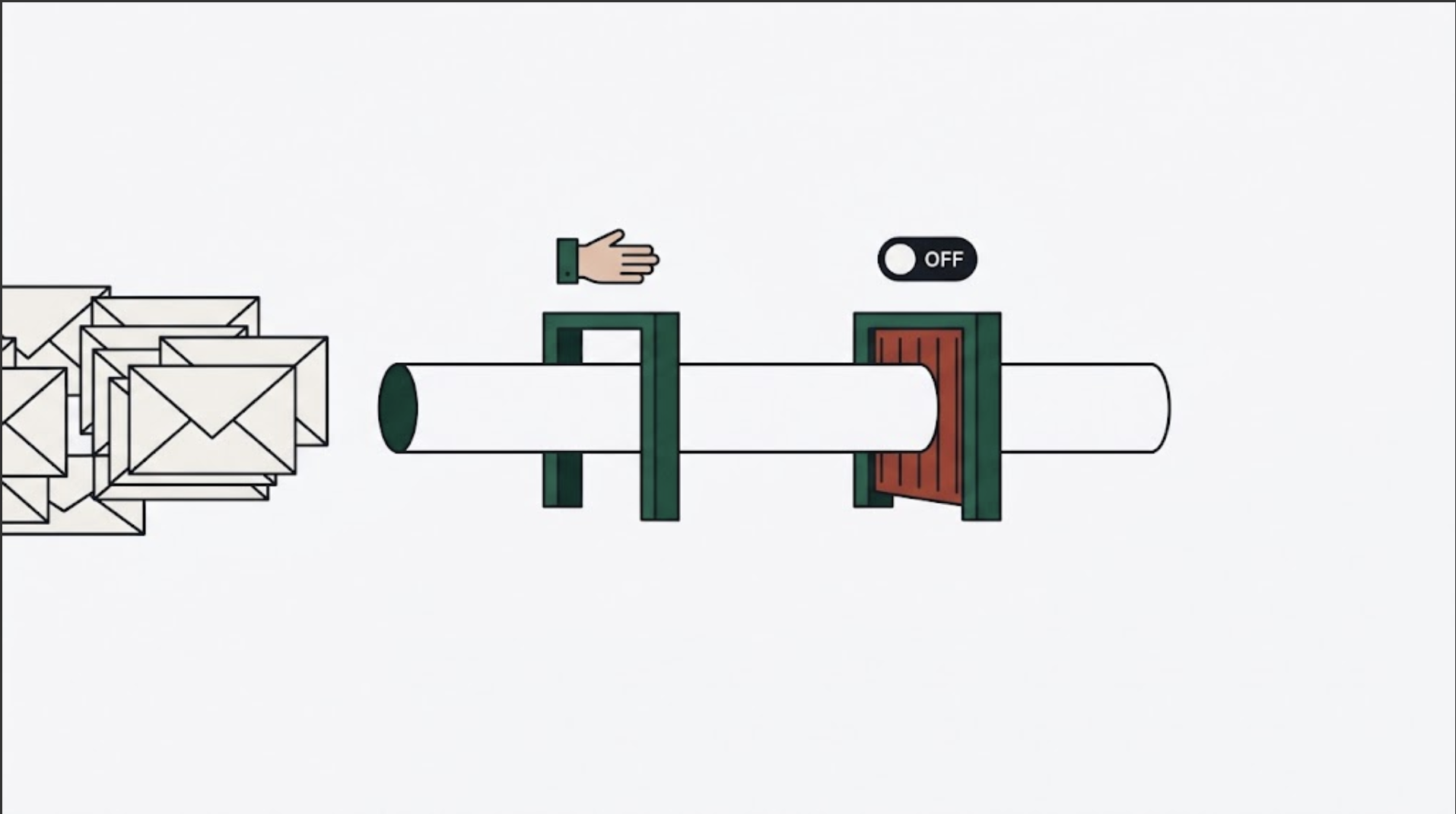
Two Locks and a Pipe: A Local-First Outreach Engine Your Own AI Agent Can Drive
The outbound engine we built instead of handing our contact list, our mailbox and our prospects' personal data to somebody else's cloud. Open source, built on OpenWorker and OpenClaw.
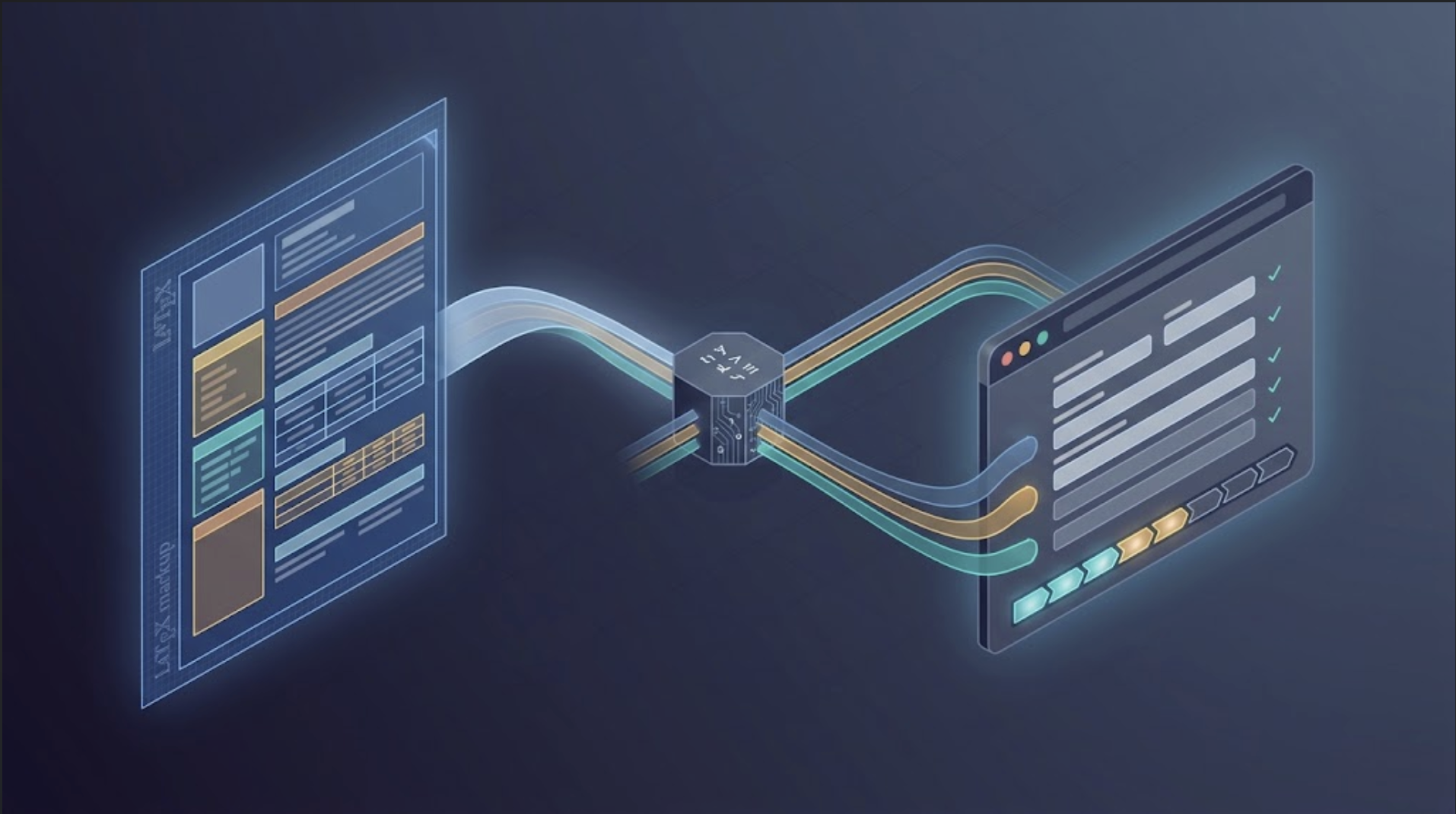
Meritclaw: A Multi-Model Pipeline That Fills Job Applications
Forty minutes an application, a hundred and fifty applications in a serious search. Meritclaw finds the jobs, rebuilds a LaTeX resume for each under a structural gate, and completes any employer's form by reading the page rather than matching selectors. 57 applications across 12 ATS platforms at 53 cents each.

Take Away the Pen: Reviewing 94 Contracts for 4 Cents With an AI That Can't Write
Jev can't write a single word. It answers questions with odds. I pitted it against Claude, a fine-tuned ModernBERT and an open replica on 94 contracts labeled by lawyers. Here is what held up, and what didn't.

Building a Tanglish Voice-to-Voice Agent from Scratch: Two LoRAs, a $61 Budget, and a Voice That Finally Sounds Like Chennai
How we built a Tanglish (Tamil+English) voice agent with a $61 speech-to-speech stack from scratch.
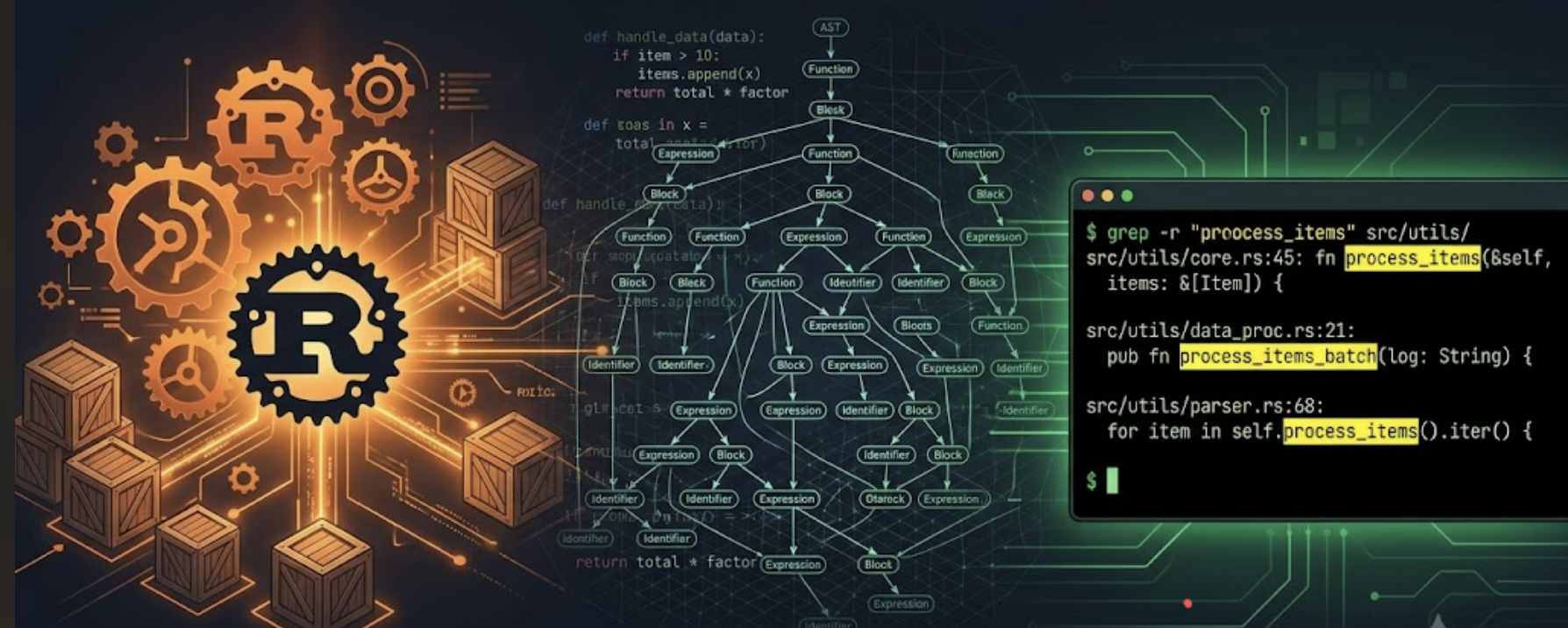
Inside the Hexr SDK: Why Grep Beats Embeddings for Agent Code, How We Built a Sub-Second Rust Detector, and the 96% Benchmark
Why grep beats embeddings for agent code detection, how we built a sub-second Rust detector, and how it scores 96% on our benchmark.
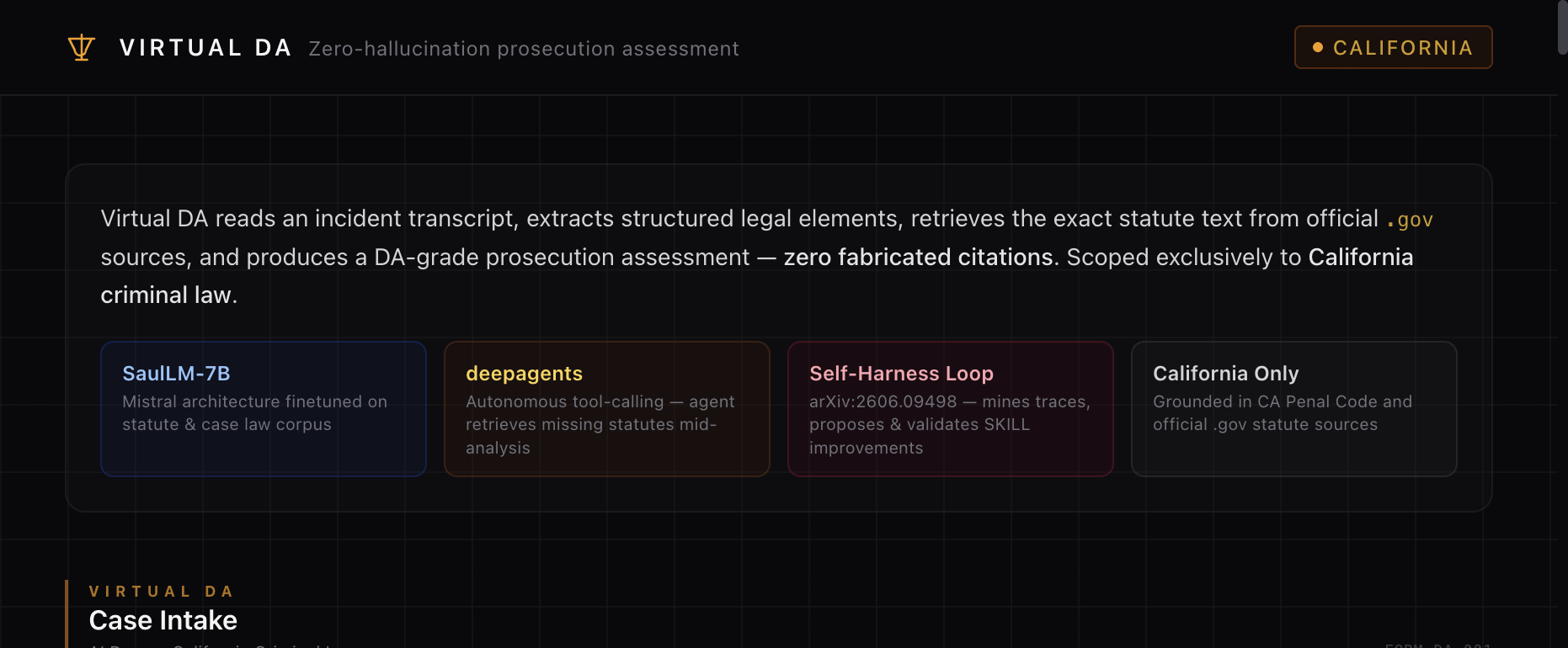
Virtual DA: How deepagents and the Self-Harness Loop Built a Legal AI That Refuses to Hallucinate
How we built a zero-hallucination legal AI for California criminal law using SaulLM-7B, deepagents for autonomous statute retrieval, and the self-harness loop that lets the system improve its own instructions from its own failure traces.
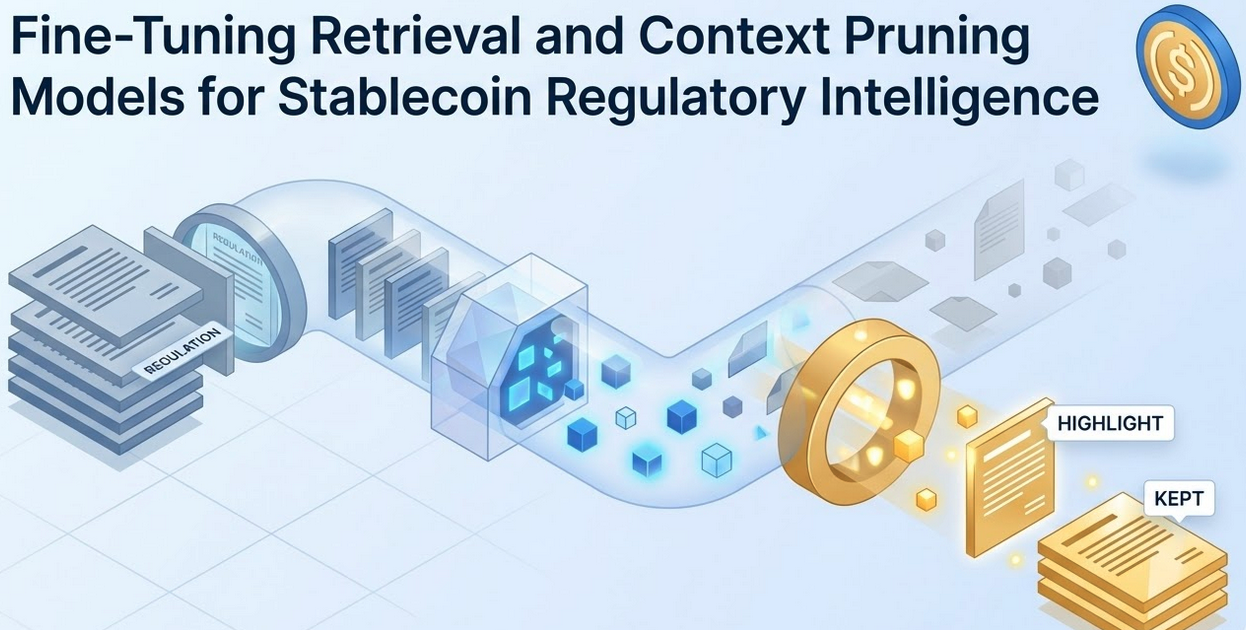
Fine-Tuning Retrieval and Context Pruning Models for Stablecoin Regulatory Intelligence
How we trained a domain-adapted encoder and a unified reranker/pruner/highlighter, then deployed them for production-grade regulatory search and context compression.

The Leash and the Wolf: Why Every AI Agent Needs an Orchestrator
Deep agents are powerful. But without a state machine holding the leash, they will loop, skip, waste, and crash. Here is the case for deterministic orchestration, told through Goose, mini-swe-agent, Stripe Minions, and OpenClaw.
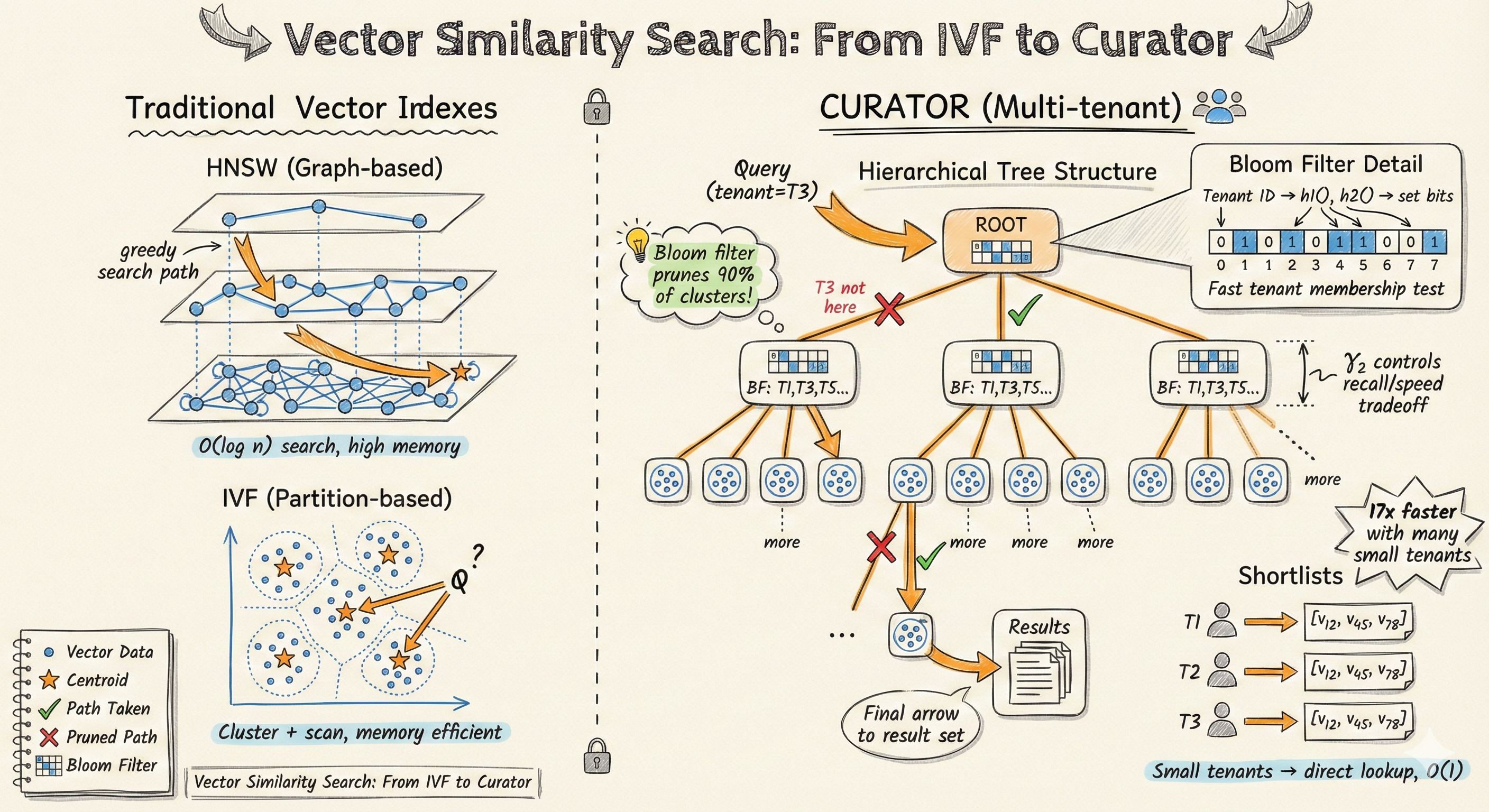
Building Faster Multi-Tenant Vector Search: A Deep Dive into Curator
Multi-tenant vector search is hard. Curator achieves 3.4x to 17.3x speedups over traditional IVF by encoding tenant membership directly into the index using bloom filters and hierarchical trees.
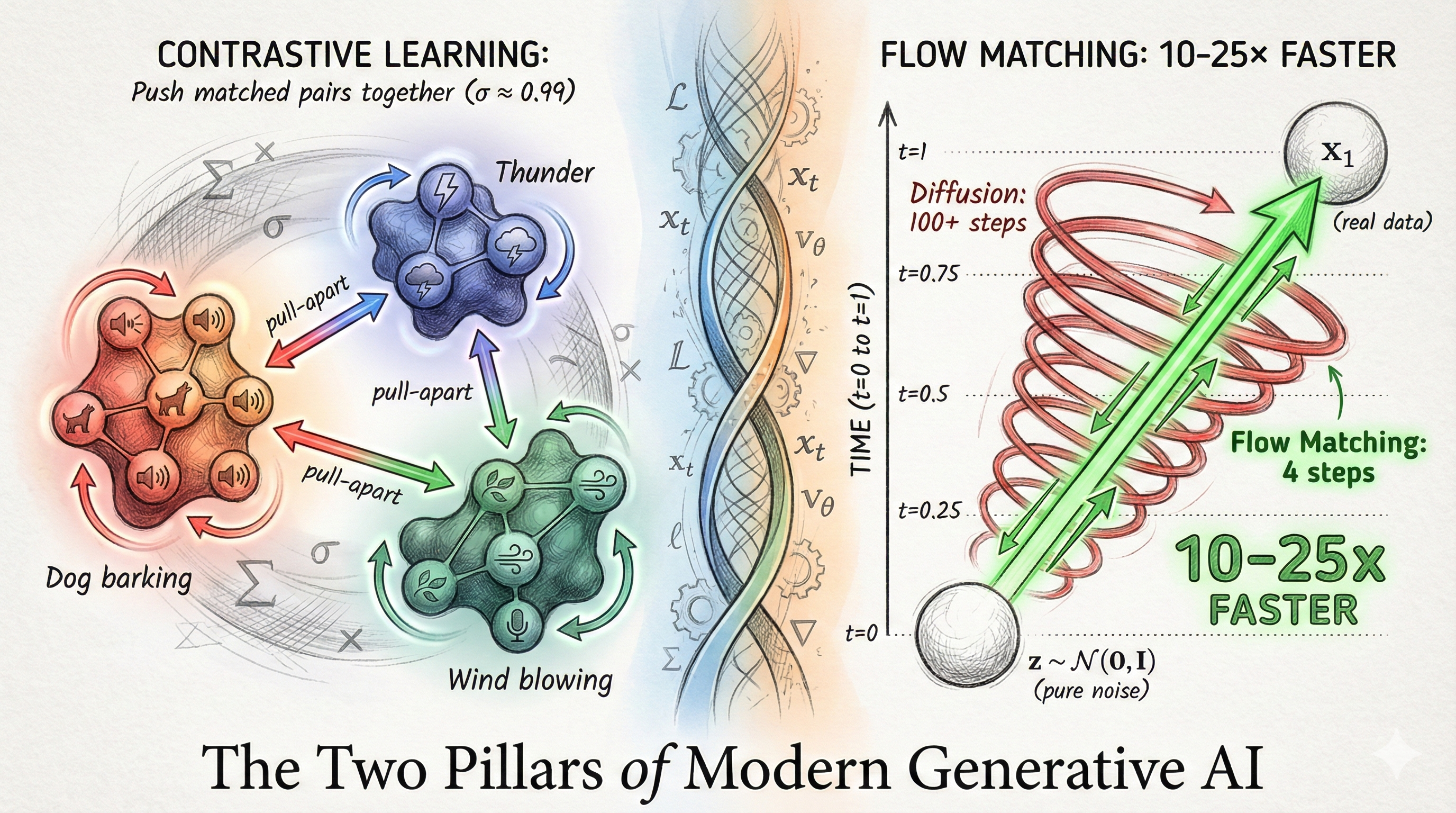
The Two Pillars of Modern Generative AI: Contrastive Learning & Flow Matching
All modern generative AI, from Image DiT to audio-video synthesis, uses two core concepts: contrastive learning for alignment and flow matching for efficient generation. Here's how PE-AV, SAM Audio, and LTX-2 use these pillars.
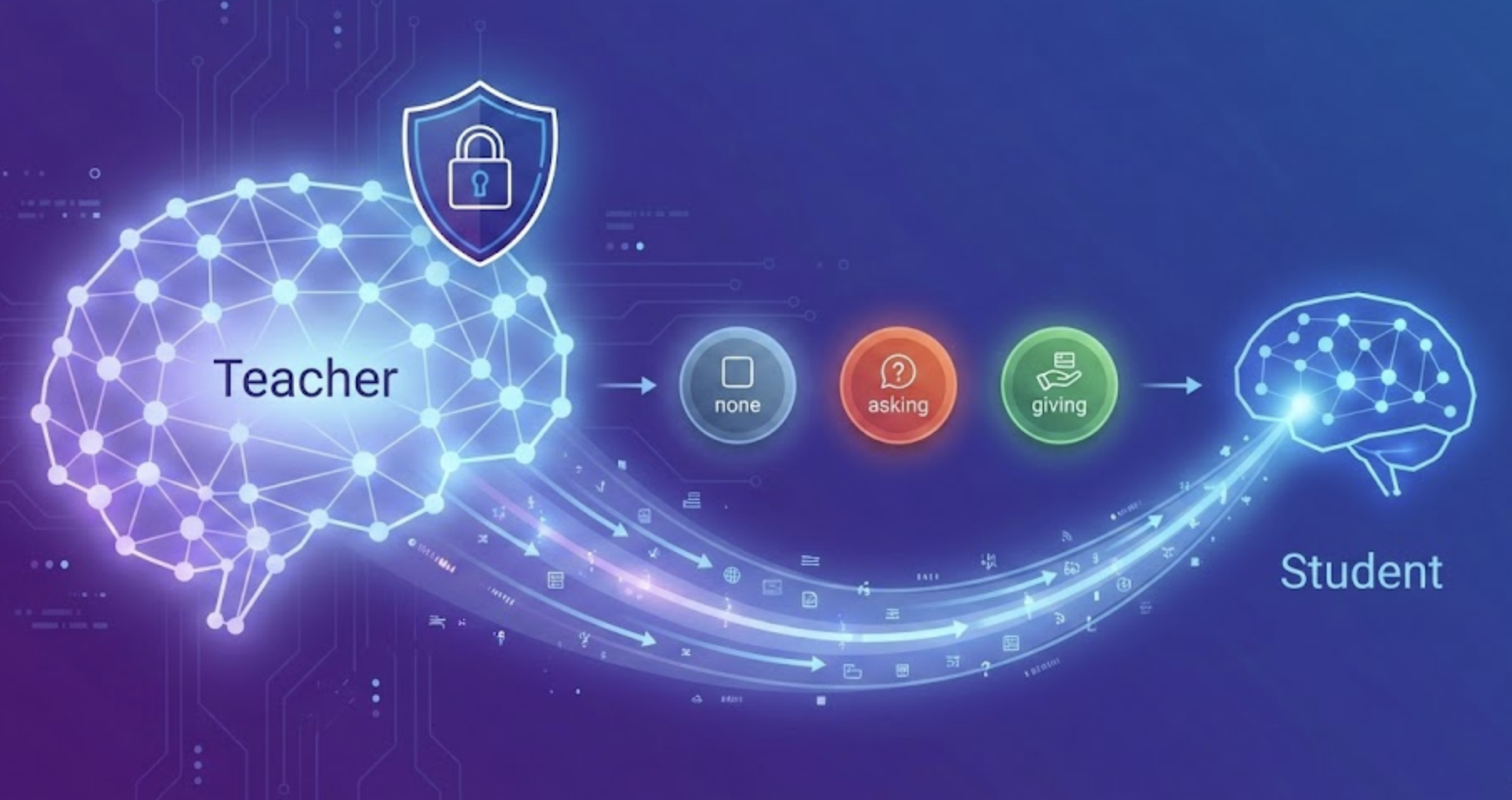
Building a PII Classifier in 2 Hours for $3: A Teacher-Student Distillation Story
How I built a production-ready PII classifier using teacher-student distillation for just $3 in 2 hours

🚀 The Yellowbook Of Agents
A comprehensive guide to building intelligent agents

Building Octopus-Omni-Embed: A Multimodal Embedding Model on a $25 Budget
Building a multimodal embedding model on a $25 budget with Octopus-Omni-Embed

The 2025 Embedding Revolution: How Small Models, Reasoning, and Multimodal Search Are Redefining Intelligence
How small models, reasoning, and multimodal search are redefining intelligence in 2025

Hacking Audio into LLMs: A $5 Journey from nanochat to Multimodal AI
How we extended Karpathy's educational ChatGPT clone with Kyutai's neural audio codecs - and why audio is the most underrated modality
SGLang Deep Dive: Inside SGLang
Advanced exploration of SGLang's internal architecture, optimization strategies, and performance characteristics
Inside SGLang: Anatomy of a High-Performance Structured LLM Inference System
From RadixAttention, zero-overhead scheduling, structured generation, to multi-GPU, multi-node dynamic serving at scale

Nested Embeddings: The Mathematics of Hierarchical Information Encoding in Matryoshka Representation Learning
A comprehensive exploration of Matryoshka Representation Learning's mathematical foundations, from nested subspaces and hierarchical information encoding to real-world applications in adaptive AI systems

Stablebridge: From Knowledge Graph Generation to RAG for Stablecoin Regulatory Intelligence
Our comprehensive exploration of Knowledge Graph-based RAG systems for stablecoin regulatory intelligence, from initial knowledge graph generation to performance evaluation against traditional RAG approaches
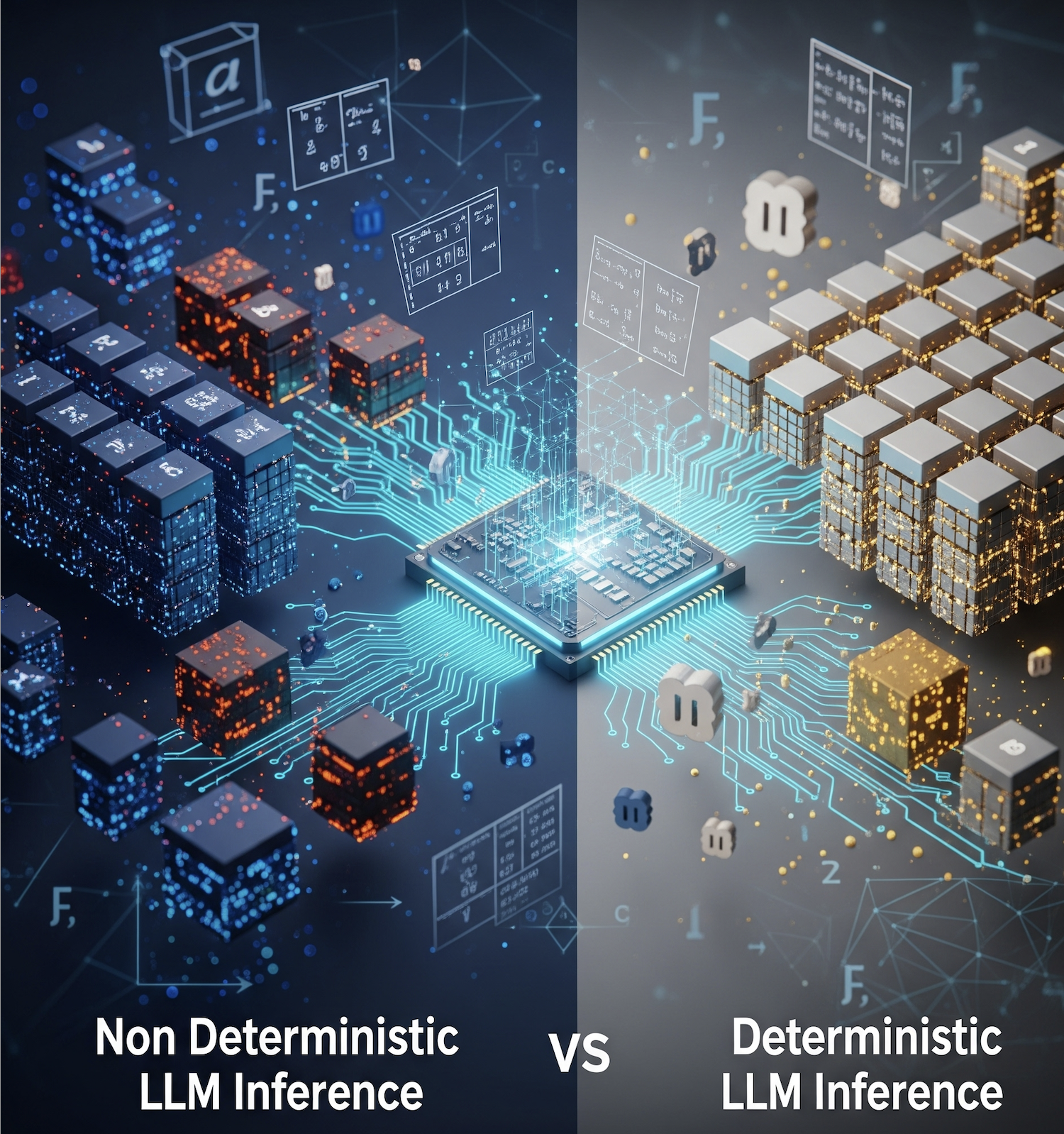
Unmasking the True Culprit: Why Temperature=0 Doesn't Mean Deterministic LLM Inference
A deep technical dive into batch invariant kernels and the path to truly reproducible language model inference
MUVERA + PyLate: Building a High-Performance Hybrid Retrieval System with Fixed-Dimensional Encoding
Combining the speed of MUVERA's Fixed-Dimensional Encoding with the precision of PyLate's ColBERT late-interaction for next-generation semantic search
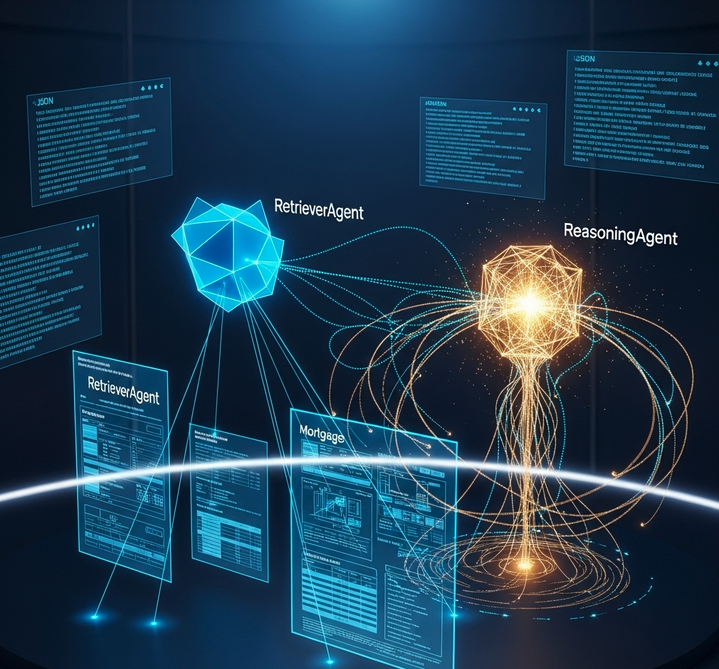
Dual-Cue Retrieval and Iterative Reasoning: Building Intelligent Mortgage Document Agents with SimpleDoc
Transforming mortgage document understanding through advanced multi-agent RAG architecture using dual-cue retrieval and iterative reasoning agents

PWC+ (PapersWithCode Plus)
Announcing PWC+, our next-generation AI research platform designed to accelerate discovery and enable seamless collaboration across academic institutions, research labs, and industry partners.
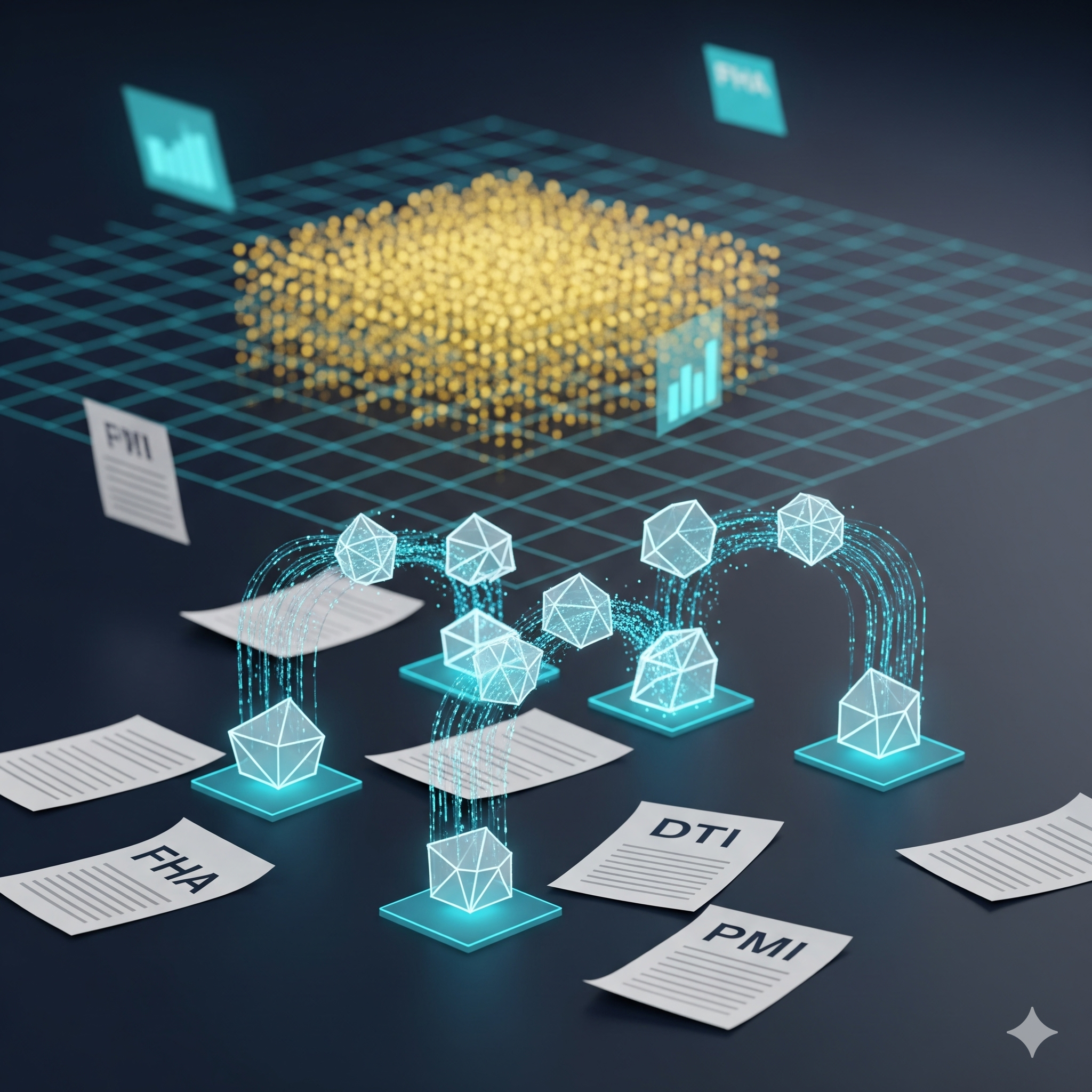
Fine-Tuning EmbeddingGemma for Mortgage Domain: A Step Toward Hybrid RAG+Knowledge Graph Architecture
Building domain-specific embeddings as the foundation for intelligent mortgage document retrieval with 4.06% improvement in NDCG@10 performance
Context Engineering: The Art and Science of Prompt Architecture
Deep dive into context engineering techniques, from basic prompt design to advanced multi-modal context architectures that power next-generation AI systems
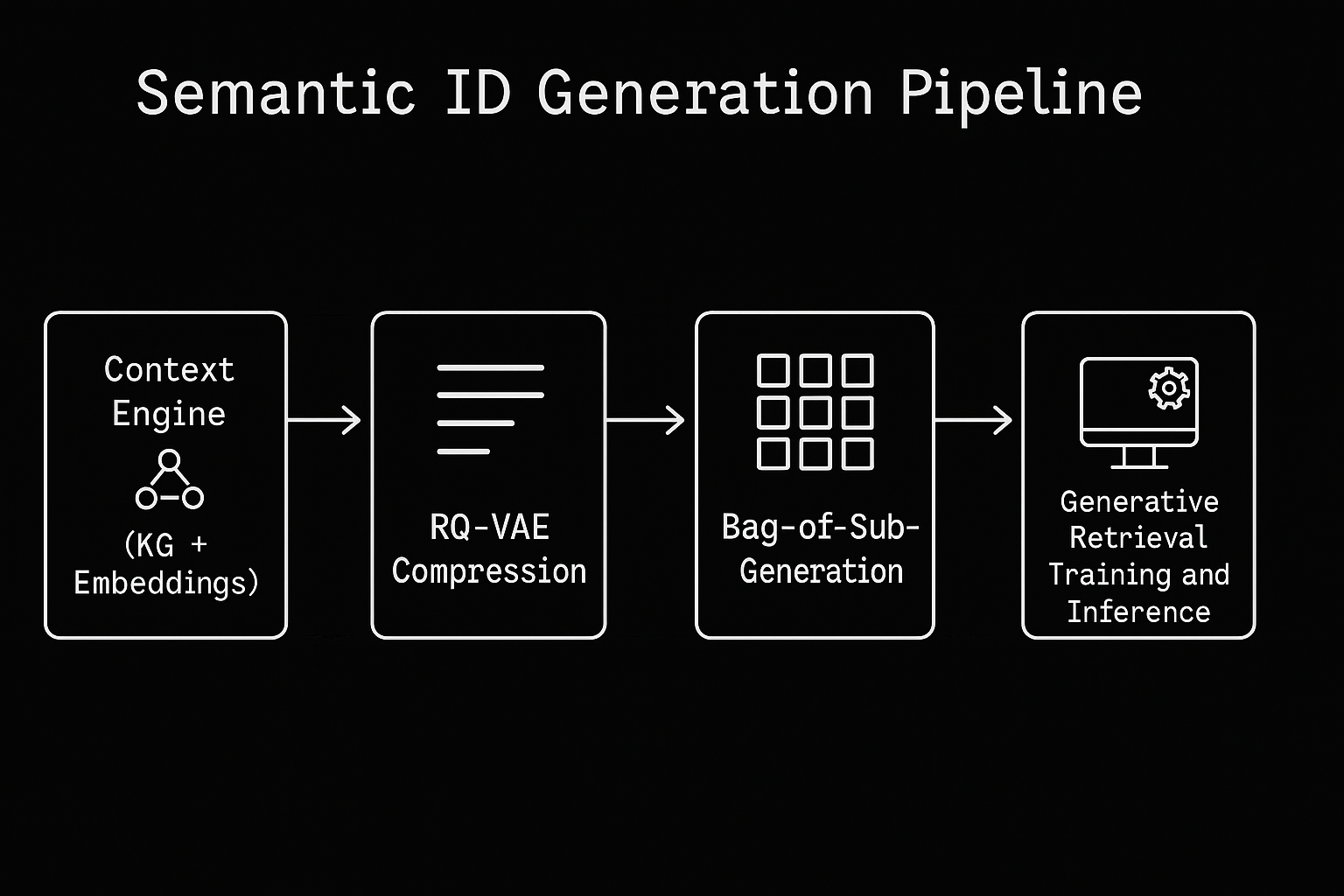
The Blueprint for Context-Aware Retrieval: From Knowledge Graph to Semantic ID
Exploring the evolution from traditional mind mapping to generative retrieval systems, leveraging semantic IDs and transformer architectures for next-generation multimodal memory systems
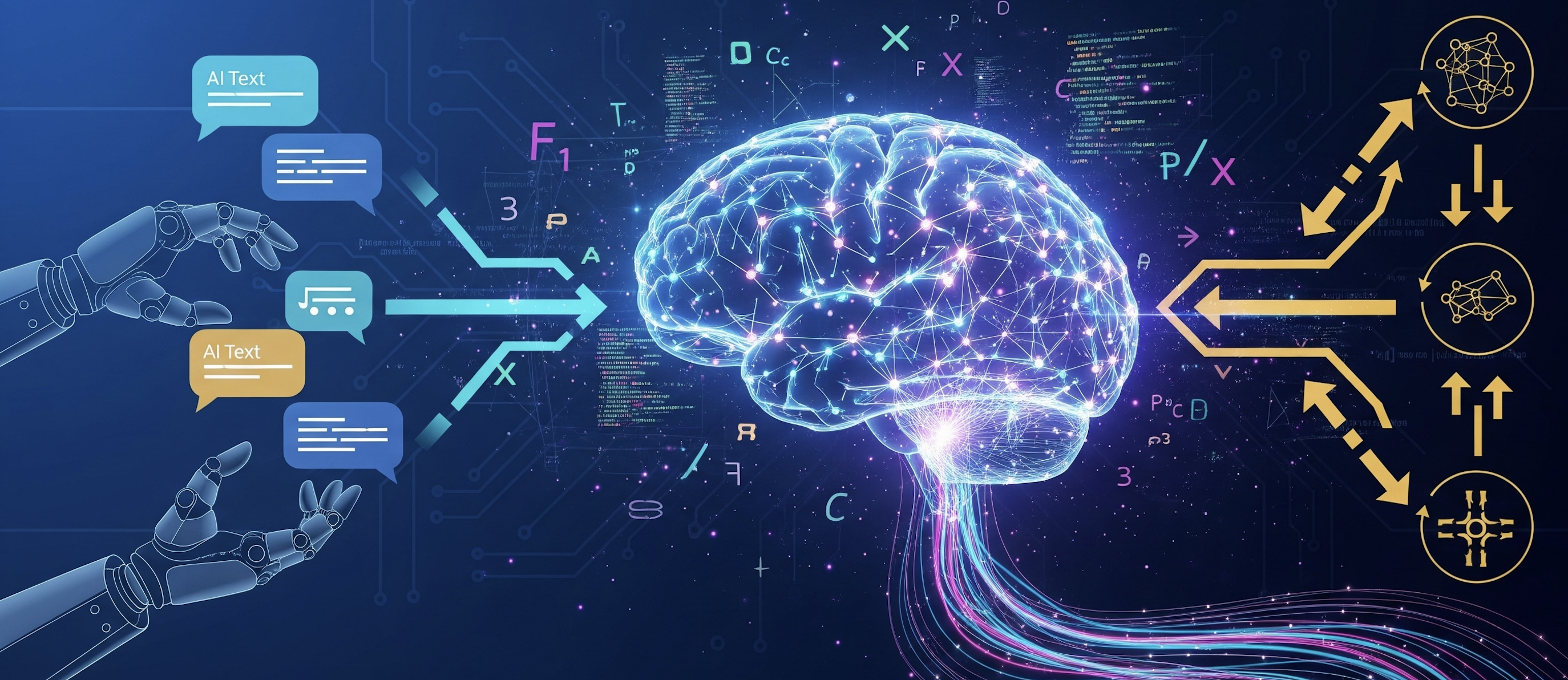
Beyond Chatbots,Training LLMs with Reinforcement Learning using TorchRL
How TorchRL bridges the gap between Large Language Models and Reinforcement Learning
How ImageBind Creates AI That Sees, Hears, and Understands Like Never Before
Breaking the Modality Barriers
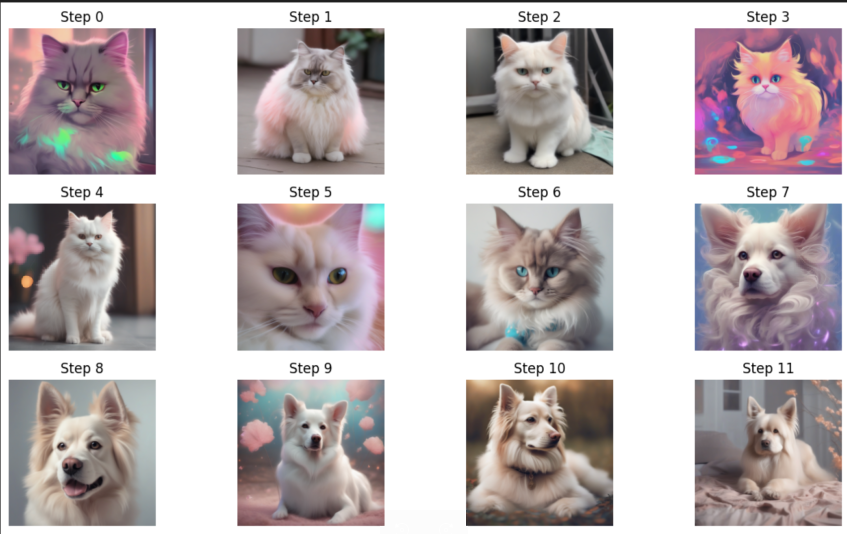
Latent Space and Latent Encoding
Understanding Latent Space and Latent Encoding - Theory, Math, and Context in DiT, VACE

Ensemble NLU by combining DIET, ModernBERT, and LLM
Ensemble NLU approaches for processing natural language responses for email and letter rewriting

EAGLE - Soaring Beyond Speed [ The Art of Accelerated Language Models ]
a state-of-the-art speculative sampling method

From Cloud to Couch -> Supercharging SmolLM2 Inference with HeadInfer, Gemlite, and SGLang
Supercharging SmolLM2 Inference with HeadInfer, Gemlite, and SGLang
From Sparse to Dense - Building Scalable, Knowledgeable AI with Serverless LSM Architecture
Lineage of Retrievers + LSM

Coconut and BLT -> Revolutionizing Reasoning and Language Modeling with Latent Representations
Coconut and BLT
Decoding Silicon Valley Interviews with Probability and Stats
The Algorithm of Hiring

Exploring ALT Architecture and Converged Indexing - A Rust-Based Educational Implementation
Exploring ALT Architecture

Evolving Multi-Agent Systems - The Need for Dynamic Tool Selection
The Need for Dynamic Tool Selection in multi agent frameworks

Mixture of experts with Dropless Computation
Dropless MOE - Leveraging Block-Sparse Matrix Operations

Late chunking, Contextual,Semantic chunking of PDFs, VLMs and Document AI.
Boon of late chunking, challenges of creating contextual chunks in long documents.

Leetmonkey was born on Sep 11th, 2024.
Breaking up with Leetcoding based interviews for good. Darn it.
Neural Networks is beautiful
This is a post to highlight some of the beautiful concepts of Neural Networks which makes it worthy. Also, good next post after my calculus and probability post
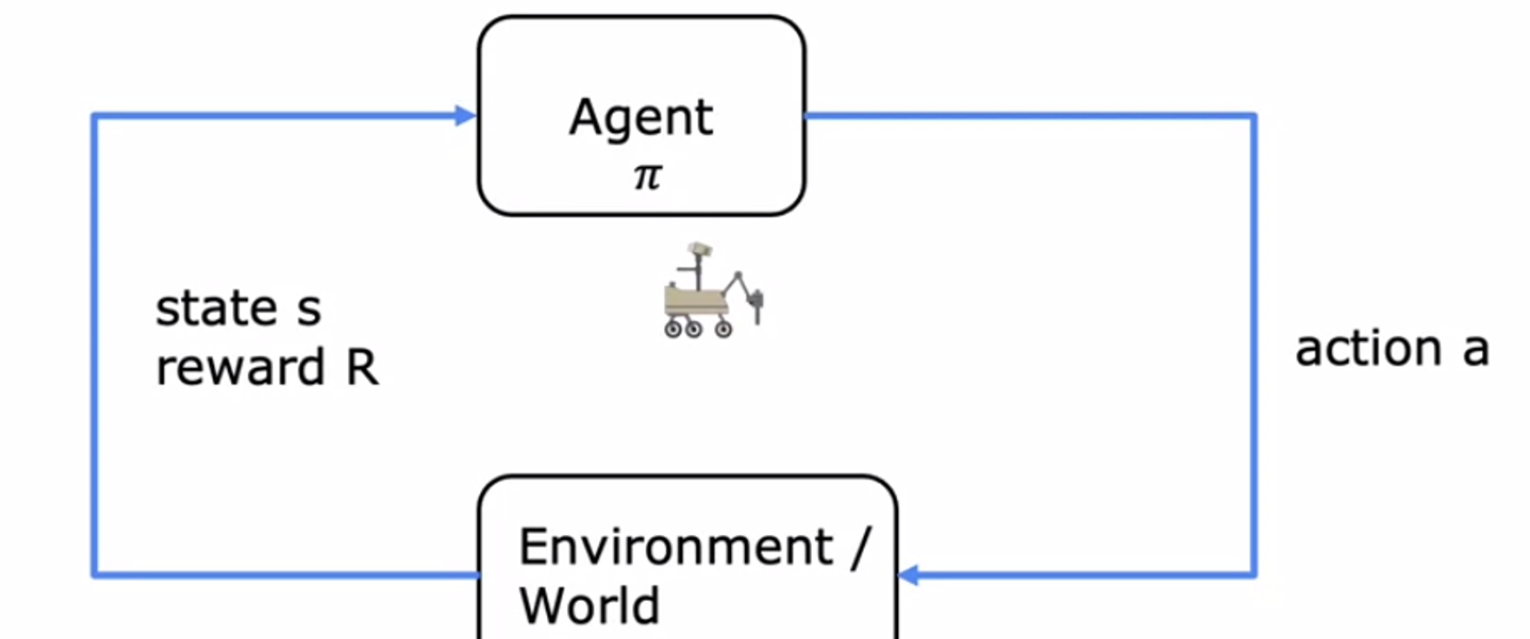
Part-1 Reinforcement-Learning - notes
This is the first part of future reinforcement learning posts and notes.

Essence of A/B testing - notes
I am scratching the surface of famous A/B testing and some repeated favorite concepts in this post
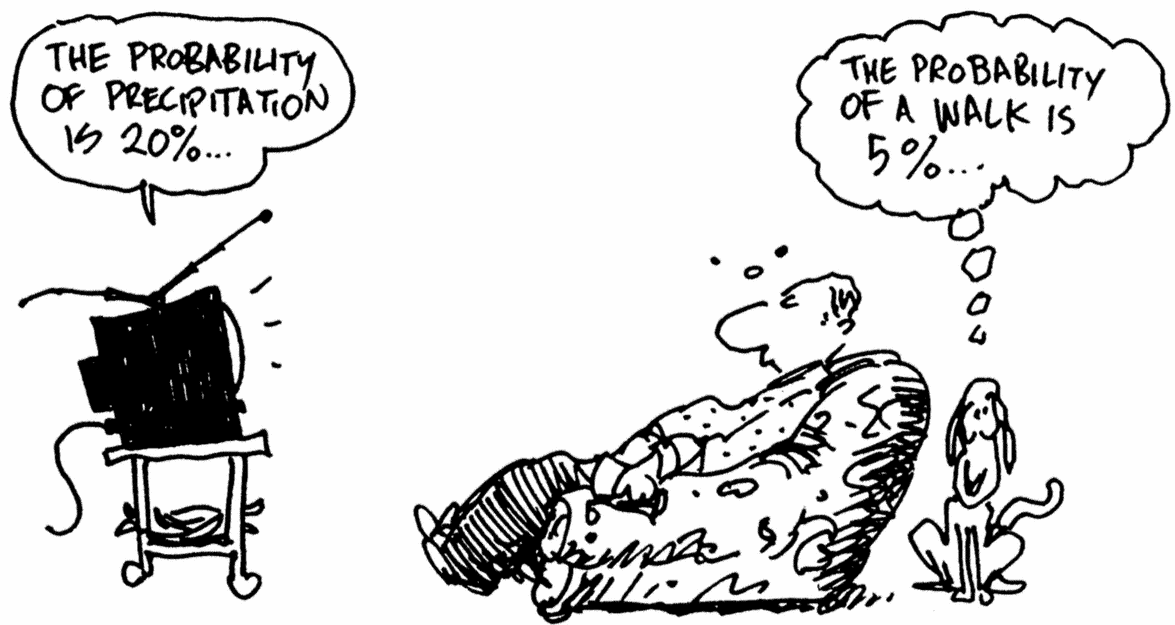
Bayesics - My favorite topics, notes from Probability (in- context of machine, deep learning)
Essential topics from Probability

Essence of Calculus, its role in machine learning
Essential topics from Calculus
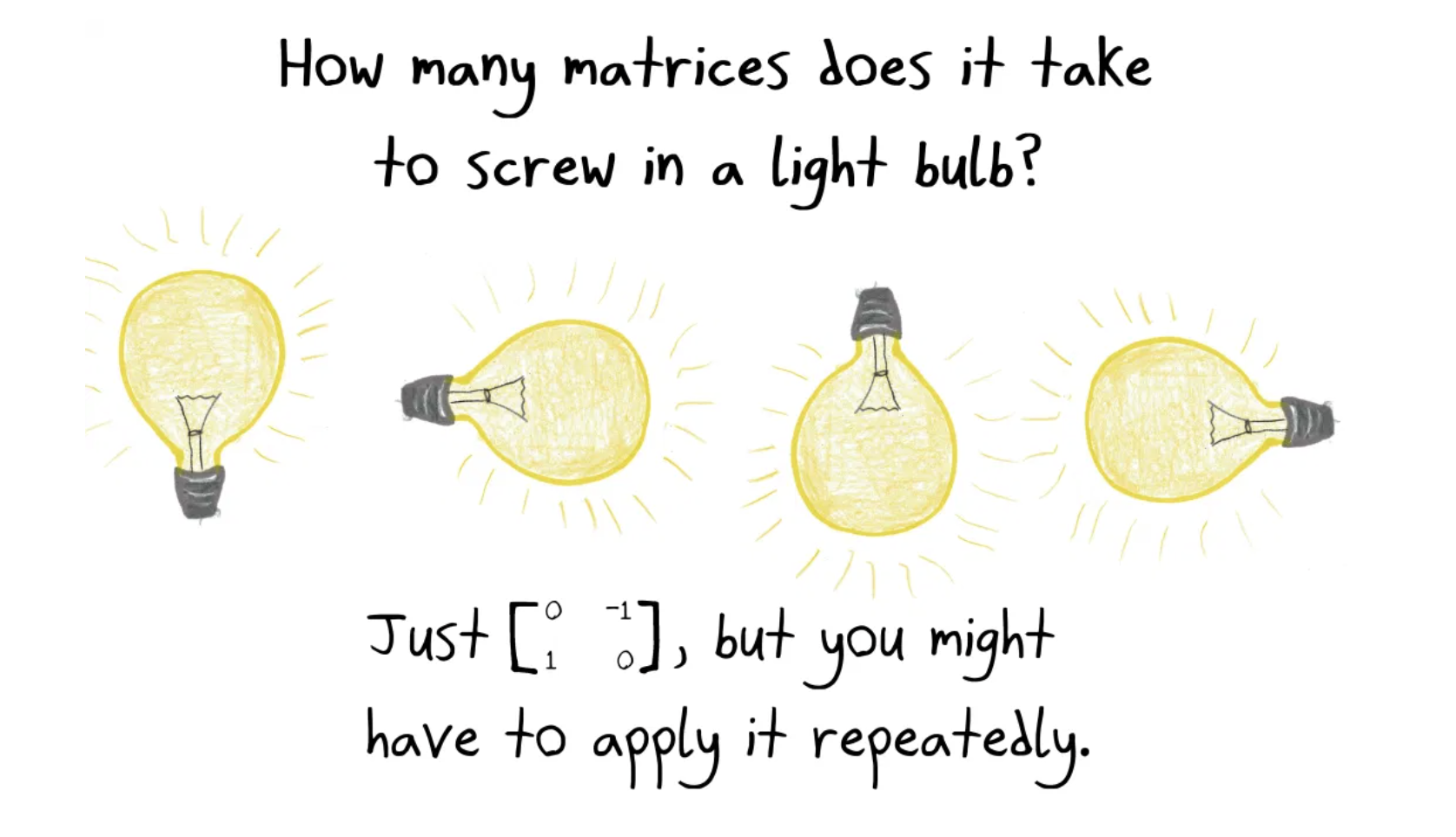
Essence of Linear Algebra using 100+ years old PCA
Notes about PCA algorithm